Oak zone

About the Product

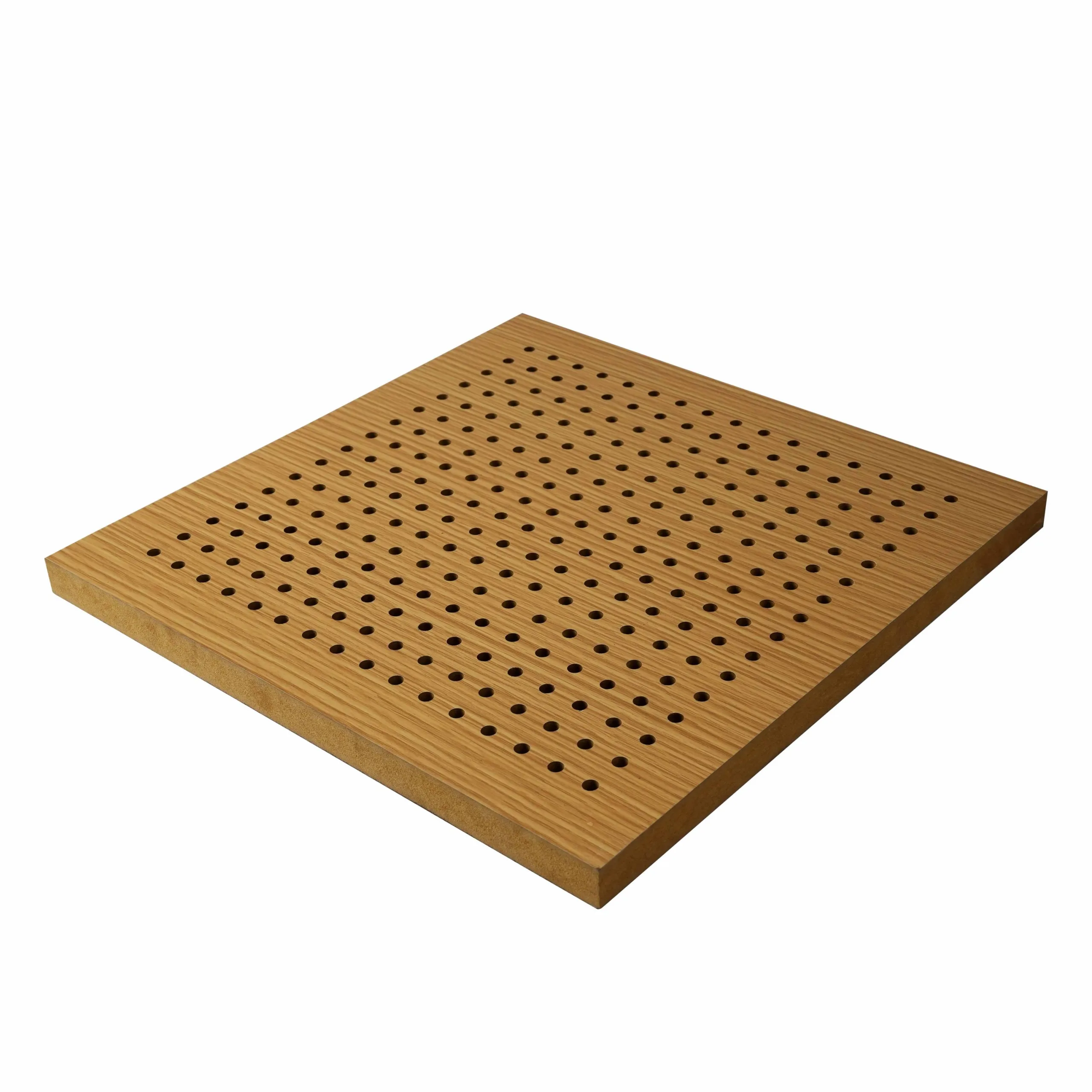
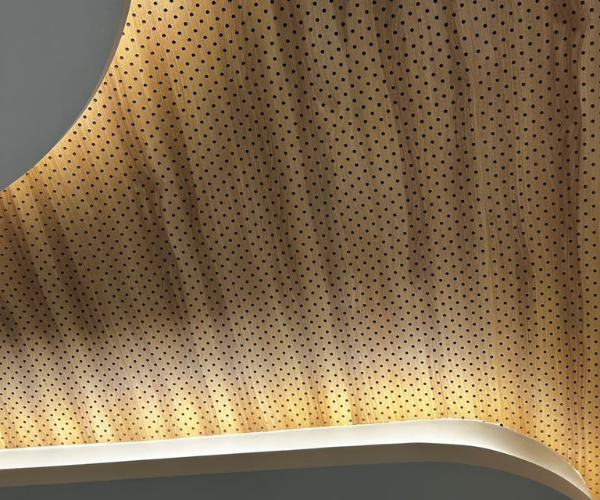
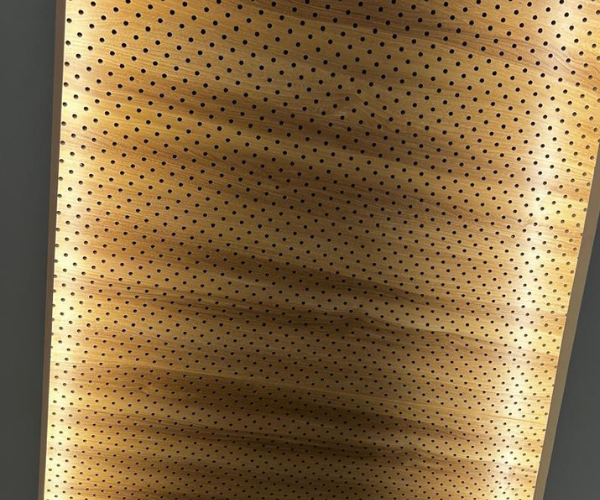
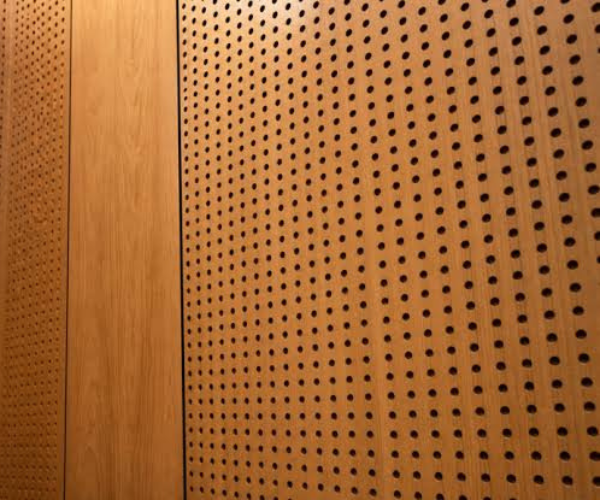
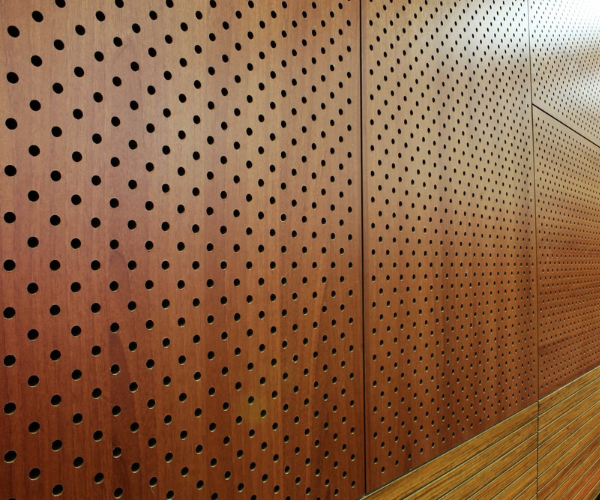
Perforated acoustic panel is a kind of resonance absorption material with holes through on the quality MDF board. It has strong selection on the sound spectrum and particular great performance on the middle and low frequency. If filled with the acoustic cotton at the back side space of the acoustic panel, it has better performance on the middle and high frequency. The holes diameter and pitch can be custom made. Strong impact resistance, excellent decorate performance, elegant  color.

Available Finishes

Standard perforated acoustic panels from Oakzone are available in three different finishes.
Download the color chart to check all the color options.

HPL

High Pressure Laminates (HPL) is a material that belongs to the high-tech group of high-pressure decorative laminates, compact laminates, and balance sheets, widely used as a surface finishes applied to different materials, such as MDF.

SPC/PVC

SPC/PVC is a rigid, high-density polymer overlay commonly used as a surface finish on acoustic panels. Smooth, moisture-resistant, and easy to maintain.

Veneer

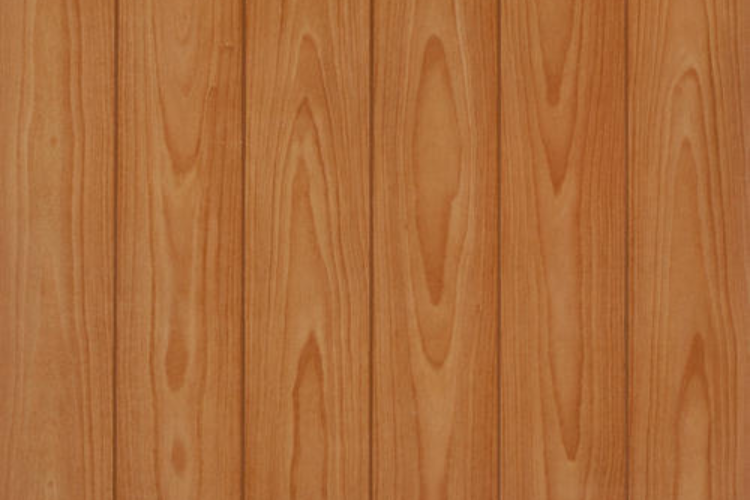
Technical veneer is an economic solution to have a relative natural wood grain compare with melamine and HPL, it can solve the flaws from the natural veneer, such as color tone and scratch, but it can not be as natural as the real wood.

Core Materials

At Ecowood Panels, we utilize medium-density fiberboard (MDF) as a core material in our acoustic fabric panels due to its exceptional properties. MDF is crafted from recycled wood pieces pressed together with adhesive under high temperature and pressure, resulting in a dense and sturdy board. This material is stronger than particle board, offers a veneer finish that mimics solid wood, and is lightweight compared to hardwood. Additionally, MDF contains chemicals that repel termites and resists warping in humid conditions, making it a durable, low-maintenance, and cost-effective choice for various applications.

E2 MDF

Normal MDF without any special treatment, low cost for budget tight project.

E1 MDF

Eco-friendly MDF,
  low formaldehyde emission,
density is higher.

E0 MDF

Imported MDF, super low formaldehyde emission, high density, cost is expensive.

B1 MDF

Fire retardant MDF, maximum fire rating can reach B1, weak against the humidity.

Black MDF

With both advantages of E1 and B1, high density and better against humidity.

Green MDF

Same as E1 MDF, but add agent to improve the ability against the humidity.

Perforation Pattern

At Echowood Panels, our perforation patterns are meticulously designed to enhance the acoustic performance and aesthetic appeal of our panels. Perforations play a crucial role in sound absorption, helping to reduce echo and noise while adding a distinctive visual element to the panels. We offer a variety of perforation patterns to suit different acoustic needs and design preferences.

NamePerforated Acoustic Panel
StructureBase Materials, Finish, Back
Base MaterialsEco-friendly / Fire-resistant / MDF
FinishVeneer / Melamine / HPL Fire-proof / PU Painting
BackBlack Fire-resistant Sound Absorbing Fleece / Soundtex Sound Absorbing Fleece
Model8×8×2mm, 16×16×2–8mm, 16×16×3–10mm, 16×16×8mm, 32×32×8mm, V-16×16×5–10mm, V-16×16×8mm, V-32×32×8mm, Z-32×32×5–12mm, other customized model
SizeW 600/1200mm × L 600/1200/2400mm × T 12/15/18mm, other customized
Eco PerformanceAll materials meet the national and international environmental protection standard. The product contains little formaldehyde with natural wood fragrant. Non-formaldehyde is also available.
Fire PerformanceReach to Class 1 under BS476 part 7 standard, Class A under ASTM-E84 standard
Standard Series — PN
8×8×2mm hole pattern
8×8×2mm
The finest micro-perforation in the range — tightly spaced 2mm holes on an 8mm grid create a near-textile surface texture while retaining effective mid-frequency absorption.
16×16×2–8mm hole pattern
16×16×2/8mm
Mixed hole diameters from 2mm to 8mm set on a 16mm grid, giving a graduated, visually dynamic surface with broad absorption across the mid range.
16×16×3–10mm hole pattern
16×16×3/10mm
A wider spread of hole sizes on the same 16mm grid — the larger openings lift low-to-mid absorption while the smaller holes keep the pattern visually balanced.
16×16×8mm hole pattern
16×16×8mm
Uniform 8mm holes on a regular 16mm grid — a high open-area pattern giving strong, consistent absorption across the full frequency spectrum. Ideal for demanding acoustic environments.
32×32×8mm hole pattern
32×32×8mm
The widest hole spacing in the standard series — subtle, evenly distributed 8mm perforation best suited where a near-solid wood look is preferred alongside moderate absorption.
V Series — PN-V
V-16×16×5–10mm hole pattern
V-16×16×5/10mm
V-series variant with mixed 5–10mm openings on a 16mm grid — a higher open area for stronger absorption, with a bolder, more expressive perforated face.
V-16×16×8mm hole pattern
V-16×16×8mm
V-series variant of the 16×16×8mm pattern — the same high open area and full-spectrum absorption, executed in the V-series profile for a different surface character.
V-32×32×8mm hole pattern
V-32×32×8mm
V-series variant with widely spaced 8mm holes on a 32mm grid — the most restrained perforation of the V range, keeping large areas of uninterrupted timber in view.
Z Series — PN-Z
Z-32×32×5–12mm hole pattern
Z-32×32×5/12mm
Z-series pattern with mixed 5–12mm openings on a 32mm grid — the widest range of hole sizes available, producing a distinctive, architectural surface with broad absorption.

Advantages & Structure

  1. Acoustic black fleece, SoundTex, fire retardant.
  2. Fire retardant wooden frame.
  3. Perforated back surface.
  4. Edge banding matching the surface finish, can use PVC, wood veneer, painting or ABS.
  5. According to the materials choices, fire rating can be up to Class A.
This is a representational image of the complete panel.
All parts are sold sepeately.

Installation Method

We can produce the microperforated acoustic panels for many kinds of installation situation, for both wall and ceiling. In both cases soft acoustic cotton and certain cavity are required for improving the optimal absorption coefficient.